Unlock The Secrets To Growing Large, Juicy Strawberries Right At Home!
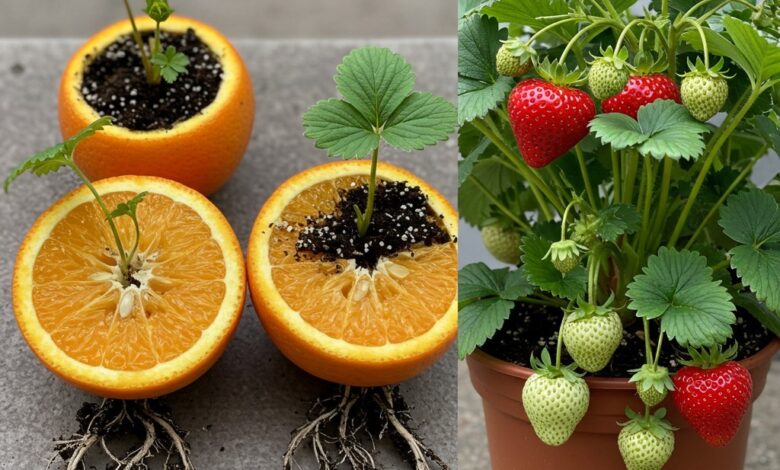
Strawberries need plenty of sunlight to grow and thrive. Select a spot in your garden or on your balcony that gets **at least 6-8 hours of direct sunlight** per day. A sunny location ensures your strawberries get the energy they need to grow big and sweet.
If you’re growing strawberries indoors, make sure they get enough light. You might need to supplement with grow lights, especially during the winter months when natural light is limited.



#### 3. **Prepare the Soil**
Strawberries prefer **well-draining soil** that is rich in organic matter. Before planting, amend your soil with compost or aged manure to improve its fertility and structure. The pH level of the soil should be between **5.5 and 6.8** for optimal growth.
If you have heavy or clayey soil, consider growing strawberries in raised beds or containers with high-quality potting mix. These methods will help with drainage and root health.
#### 4. **Planting Strawberries**
When planting strawberries, make sure to space the plants properly to allow them room to grow. **Plant strawberry plants about 12-18 inches apart** in rows or containers. If you’re planting in rows, leave about 3 feet between each row to ensure good air circulation.
Ensure that the crown (the part where the leaves meet the roots) of the strawberry plant is level with the soil surface. Planting too deep or too shallow can stunt growth or affect fruit production.
#### 5. **Watering and Moisture**
Strawberries need consistent moisture to grow juicy and sweet. Water the plants regularly, especially during dry spells, but avoid overwatering as this can lead to root rot. The soil should be kept moist but not soggy.
An easy way to maintain moisture is by adding mulch around the base of your strawberry plants. Mulch helps retain moisture, suppress weeds, and keep the soil temperature stable. Straw, pine needles, or wood chips are excellent mulch materials for strawberries.
#### 6. **Fertilizing for Bigger Berries**
To grow large strawberries, they need the right nutrients. Fertilize your strawberry plants regularly, but be careful not to over-fertilize, as this can lead to lots of leaves but few fruits. Use a **balanced fertilizer** that’s high in potassium and low in nitrogen. **Organic options** like compost or fish emulsion are great choices.
Fertilize your plants in early spring, before the growing season begins, and again after the first harvest to encourage continued fruit production.
#### 7. **Pruning and Managing Runners**
Strawberries produce “runners” (small offshoots) that can spread and overcrowd your plants. While some runners can be used to propagate new plants, it’s important to prune them to focus energy on producing larger fruits. Remove any excess runners early in the growing season, especially if you want to maximize fruit size.
Additionally, regularly remove dead or yellowing leaves to promote airflow and reduce the risk of fungal diseases.
#### 8. **Pest and Disease Control**
Strawberries are susceptible to pests like slugs, aphids, and strawberry weevils. To keep pests at bay, use **natural pest control methods** such as introducing beneficial insects like ladybugs or using organic insecticidal soap.
Additionally, ensure good air circulation around your plants to prevent diseases like powdery mildew or botrytis. Avoid overhead watering, as wet leaves can foster fungal growth.
#### 9. **Harvesting Your Strawberries**
The best part about growing strawberries is, of course, harvesting them Strawberries are ready to harvest when they are fully red (or pink, depending on the variety) and slightly soft to the touch. To prevent damage, use scissors or garden shears to cut the berries from the plant, leaving the stem attached.
For the juiciest and largest strawberries, pick them when they are fully ripe. If you pick them too early, they may not develop their full flavor and size.
#### 10. **Enjoy Your Homegrown Strawberries**
Once harvested, enjoy your delicious, fresh strawberries They’re perfect for snacking, baking, or making homemade jams. You’ll be amazed at the flavor of homegrown strawberries, which are often sweeter and juicier than store-bought ones.
Growing large, juicy strawberries at home is a rewarding experience that doesn’t require much space or effort. By choosing the right variety, preparing your soil, and following proper care guidelines, you can enjoy a bountiful harvest of sweet, plump strawberries every year. Say goodbye to store-bought berries and indulge in the satisfaction of growing your own fresh fruit right at home