The fastest method to propagate a sansevieria, the indestructible plant: you start from one to get many others

Unlocking the Growth Secrets of Sansevierias
Sansevierias, with their intriguing appearance, have long captured the attention of plant enthusiasts. Thankfully, the process of propagating these delightful plants is straightforward. This guide explores two popular methods, helping you choose the best fit for your gardening style.
1. Division Propagation: A Natural Growth Approach
A Journey of Growth: The primary approach to multiply your Sansevieria involves using the “division” method. In essence, as the parent plant matures, it sprouts baby plants or offshoots. These offshoots rely on the parent for nourishment in their early stages and grow at an impressive rate. With patience, you’ll soon have a sizable offshoot ready for its own pot.

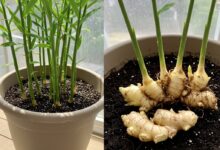


The Division Technique: To propagate, separate the offshoot from the main plant using sharp scissors or a knife. Once detached, you’ll notice the end that was connected to the parent is damp. It’s crucial to allow this part to air dry for about 48 hours. This drying step shields the fledgling plant from potential pests and diseases. With the waiting period over, you’re ready to plant the offshoot in your desired growing medium, whether soil or an alternative. An added advantage? Often, these offshoots already possess roots, easing the nurturing process of the new plant.
3. Leaf Cutting: A Slice of Nature’s Magic
Harnessing Leaf Power: A more adventurous propagation route involves utilizing Sansevieria leaves. Contrary to what one might assume, cutting a leaf doesn’t harm the Sansevieria. These plants are adept at storing moisture within their leaves, paving the way for propagation akin to succulents. This stored moisture supports root growth and sustains the leaf.
Maximizing Propagation: Sansevieria leaves are relatively lengthy, allowing you to section them into smaller bits, thereby generating multiple plants from one leaf! However, a word of caution: While a whole leaf has a storehouse of nutrients ensuring its health for a longer duration, smaller sections demand precise care. They need to quickly grow roots to survive. Given the risks of using smaller leaf sections, beginners might want to stick with whole leaves initially.