5 Plants that keep spiders, cockroaches, ants, mosquitoes, mice (and more) away

Strongly scented herbaceous plants, such as mint and lavender, are natural spider deterrents, keeping them from invading your home. Spiders will move inside, especially with the onset of cold weather, searching for a warm place and insects to feed on.
Spider-repellent plants include houseplants and outdoor plants grown in containers or outdoor beds. Spider-deterrent plants are most effective in critical locations near doors, windows, and other entryways.

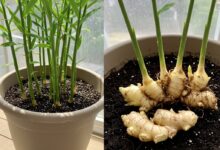


1.Basil
All basil (Ocimum basilicum) varieties—Genovese, cinnamon, lemon, and Thai basil—have a strong scent that deters spiders. Basil is a cold-sensitive herb that can be grown indoors as a perennial during cool months.
- Name: Basil (Ocimum basilicum)
- Size: 12–24 in. tall and wide
- USDA Hardiness Zones: 10 to 11
- Sun Exposure: Full sun
- Soil Needs: Rich, moist, well-drained
- Water: Deeply and regularly
- Fertilizer: If harvesting continuously, fertilize about once a month with an all-purpose fertilizer
2.Lavender
-
If you use lavender (Lavandula spp.) primarily to repel spiders, choose English lavender because it has the strongest scent of all lavender varieties. Lavenders are perennials, but they must be overwintered indoors in cooler climates. Lavender can be toxic to pets like dogs and cats.2
- Name: Lavender (Lavandula spp.)
- Size: 2-3 ft. tall, 2-4 ft. wide
- USDA Hardiness Zones: 5 to 8
- Sun Exposure: Full sun
- Soil Needs: Well-drained, alkaline, dry
- Water: Once established, water only sparingly
- Fertilizer: Not needed
3.Mint


