Uncategorized
Deadly Nightshade (Atropa belladonna): The Mysterious and Dangerous Plant with a Dark Legacy

Toxic Components of Deadly Nightshade
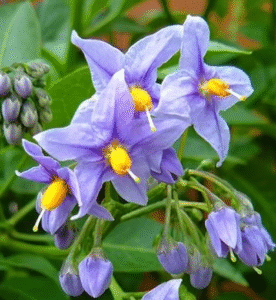




The key toxic compounds found in Deadly Nightshade are atropine, scopolamine, and hyoscyamine. These alkaloids work by disrupting the normal function of the nervous system, leading to a wide range of dangerous symptoms.
- Atropine: This compound affects the nervous system, causing symptoms like hallucinations, rapid heartbeat, and paralysis. It can also lead to serious poisoning if ingested in high amounts.
- Scopolamine: Known for its mind-altering effects, scopolamine has been used historically as a poison and in sedatives. It can induce dizziness, confusion, and an altered state of consciousness.
- Hyoscyamine: This alkaloid interferes with neurological functions, and excessive exposure can result in poisoning or even death.
These toxic compounds block neurotransmitters in the body, leading to various effects, including blurred vision, dry mouth, difficulty breathing, and, in extreme cases, death. The difference between a therapeutic dose and a lethal one is very narrow, making the plant a dangerous entity for those who are untrained in its handling.