Unlock the Secret to Dark, Rich Henna Stains with This Natural Ingredient
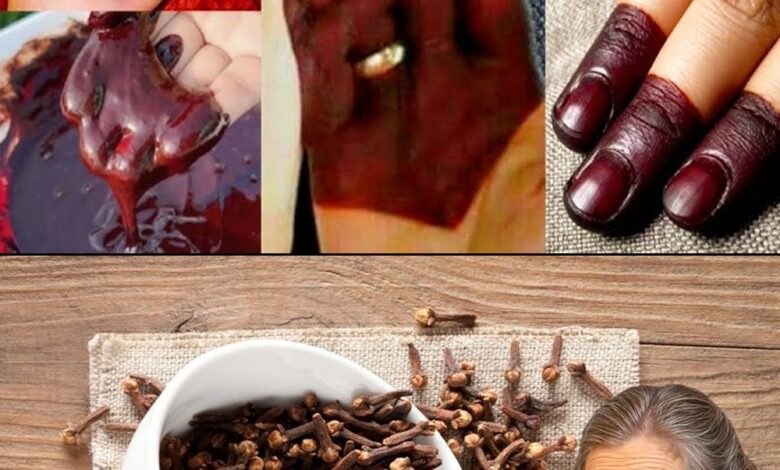
Have you ever wondered how some people manage to achieve those deep, luscious, almost black henna stains on their hands and feet while others are left with a faint orange or reddish tint that fades too quickly? The answer might surprise you—and it might already be sitting in your kitchen pantry.
This article unveils a centuries-old natural hack to make your henna stains darker, bolder, and longer-lasting: cloves.




Let’s dive into the science, tradition, and method behind this simple yet powerful technique that can dramatically improve your henna experience—whether for weddings, festivals, or simply self-expression.
The Art of Henna: A Timeless Tradition
Henna, also known as mehndi, is a plant-based dye made from the leaves of the Lawsonia inermis plant. For thousands of years, it has been used across the Middle East, South Asia, and North Africa to create intricate temporary tattoos on the skin, often as part of wedding celebrations or religious ceremonies.
While the art itself is beautiful, what really fascinates many is the color transformation. When henna is first applied, it appears as a greenish paste. As it dries and the paste is removed, it leaves behind a light orange stain that deepens over time—usually reaching its darkest point within 48 hours.
But not all stains are created equal.
So how do some people achieve that dark maroon or deep cherry-red color, especially on palms, fingers, or toes?
The secret is in the post-application care—and that’s where cloves come in.


